What NCIS really is: The lesser known facts about the investigative agency
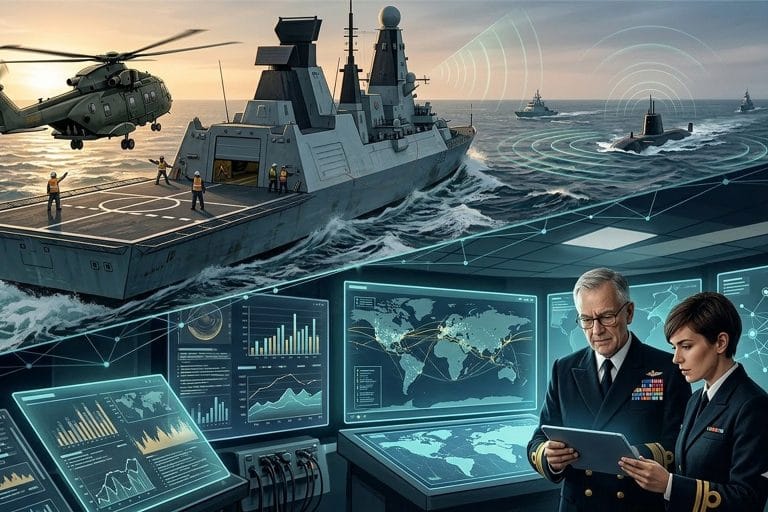
The Naval Criminal Investigative Service (NCIS) is a federal law enforcement agency under the U.S. Department of the Navy. Its real mission is to investigate and prevent crime, espionage, terrorism, cyber threats, and insider threats affecting the U.S. Navy and Marine Corps. Unlike the TV shows, real NCIS agents are civilian federal investigators, not active-duty sailors. Unlike those shown on the television, most of the cases aren’t solved in a single day by NCIS. Some cases might run for months or even years.
Core Areas of Investigation of NICS beyond murder cases
NCIS operates far beyond murder cases. Its work spans three main categories which are as follows. NCIS carries out criminal investigations. NCIS investigates Homicide, sexual assault, drug trafficking, fraud, and theft of military property. NCIS also does special operations for cold cases and crimes involving deployed personnel. One of the core areas of NCIS is Counterintelligence. NCIS does the task of identifying foreign spies targeting U.S. naval technology and secrets along with tracking insider threats and leaks. NCIS also keep a check on counterterrorism. NCIS works for preventing and responding to terrorist attacks against Navy and Marine facilities, ships, and personnel worldwide.
Some of the common Tools & Tactics Used by NCIS
Real NCIS agents use Forensic science labs for DNA, ballistics, and digital evidence. NCIS agents do undercover operations which are sometimes lasting for years. NCIS agents use cyber forensics to track hacking attempts on classified systems. NCIS agents use polygraph exams for vetting and interrogation.
A Global Footprint of NCIS and its worldwide reach
NCIS operates in over 40 countries with more than 191 global locations. NCIS agents may be deployed to Forward-operating bases in conflict zones. NCIS agents are deployed in U.S. embassies as part of security teams. NCIS agents are a part of the international task forces for piracy, human trafficking, and arms smuggling.
Few Notable differences between Real NCIS and TV NCIS
In TV shows, NCIS agents crack cases in 42 minutes. Frequent high speed chases and explosions are common in TV shows. In TV shows, NCIS teams rarely follow jurisdiction limits. In TV shows, NCIS agents are all ex-military.
In reality, cases can take months or years to be solved. In reality most of the work of NCIS is patient investigation & intelligence gathering. In reality, NCIS jurisdiction is tightly defined under federal law. In reality, Most NCIS agents are civilian specialists, though many have military backgrounds
Notable Real-Life Cases dealt by NCIS
NCIS played a vital role in USS Cole bombing investigation (2000). NCIS helped track down Al-Qaeda operatives responsible for the attack. NCIS played a crucial role in solving the Spy case of John A. Walker Junior who was a navy communications specialist who sold classified codes to the Soviets. NCIS cracked this case remarkably. NCIS also cracked sexual assault crackdown in the Pacific Fleet which was a multi-year undercover operation.
Few misconceptions and myths about NCIS
NCIS officials don’t run the Navy’s JAG court system. That’s the Judge Advocate General’s Corps. NCIS agents don’t only solve murder mysteries. They also investigate financial crimes, espionage, and cyber intrusions which are just as important as murder mysteries. NCIS agents aren’t in uniform. There is a strong possibility that you would walk past an NCIS agent in civilian clothes without realizing it.
Conclusion
The Naval Criminal Investigative Service (NCIS)is a federal law enforcement agency under the U.S. Department of the Navy. Its actual mission is to prevent and investigate crime, espionage, terrorism, cyber threats, and insider risks that impact the Navy and Marine Corps. The agency looks into homicide, sexual assault, drug trafficking, fraud, and theft of military property.
It also runs special operations for cold cases and for crimes involving deployed personnel. One of its most critical roles is in counterintelligence, where officers identify foreign spies targeting U.S. naval technology and track insider leaks. Counterterrorism is another area where this unit plays a vital part.
Agents rely on advanced forensic science labs for DNA testing, ballistics, and digital evidence. They also carry out undercover missions, sometimes lasting for years. On television, cases are wrapped up in 42 minutes with car chases and explosions. In reality, these investigations can take months or even years.
Most of the real work involves patience, intelligence gathering, and coordination with other agencies. A key example was the USS Cole bombing investigation in 2000, where investigators helped track down Al-Qaeda operatives responsible for the attack. Their responsibilities go far beyond solving murder mysteries – they also deal with financial crimes, espionage, and cyber intrusions, which are equally critical to national security.
About the Author