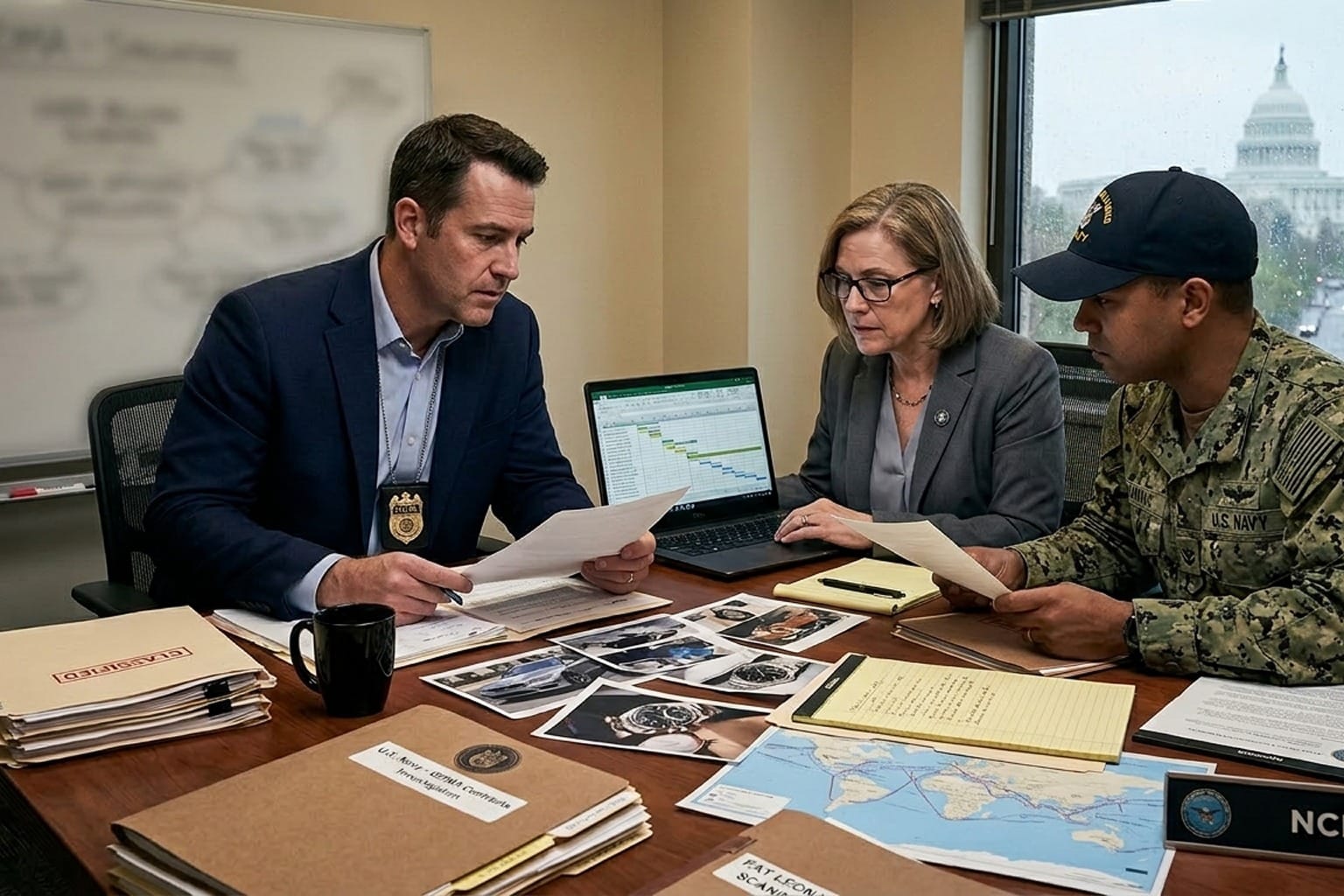
The Fat Leonard scandal is a big deal. It is one of the corruption cases in the history of the military. This scandal showed that there are some problems with the US Department of Defence. It also made people question the credibility of groups like the NCIS and DCIS. The Fat Leonard scandal revealed how corruption can spread to the most disciplined institutions. This case is not about one person. It is about a whole system that failed in many ways.
Who Was Fat Leonard and How It All Started
The name Fat Leonard refers to Leonard Glenn Francis. He is a defense contractor who owned a company called Multinational Logistic Services. This company provided support to ships. Fat Leonard worked closely with the US Navys Fleet Logistics Support. This made him an important person in the supply chain in the Asia-Pacific region.
At first everything seemed okay. However behind the scenes Fat Leonard was doing some bad things. He was manipulating contracts charging much for services and bribing officials. He used gifts, trips and cash to influence naval officers and get secret information.
The Role of NCIS and DCIS in the Investigation
The NCIS and DCIS led the investigation into the Fat Leonard scandal. These groups found a network of corruption that involved high-ranking officers.
The investigation showed that secret information about ship movements was leaked to Multinational Logistic Services. This allowed the company to position itself in a way that it could overcharge the Navy. This breach of trust raised some questions about security within the US Department of Defence.
Reports from Stars and Stripes played a role in bringing attention to the case. Investigative journalism helped expose the scale of corruption. Kept pressure on authorities to act.
Key People Linked to the Case
Several people were named during the investigation. This showed how widespread the scandal was:
- Fk Rafaraci. A contractor who pleaded guilty to being involved in bribery schemes.
- David Klein . Linked to problems with defense contracts.
- Trey De La Pena. Associated with misconduct in logistics contracts.
- Eric Maddox. Known in circles and his connection shows how diverse the network of corruption became.
- Julia Delai. Mentioned in investigations connected to financial records.ran
These people and others show how the scandal went beyond one company and became a network of influence and corruption.
How the System Was Exploited
The Fat Leonard scandal showed some weaknesses in the way contracts are awarded and overseen. Fat Leonards company manipulated the billing process often charging the Navy times the actual cost of services like fuel, security and waste disposal.
By getting access to information Multinational Logistic Services could anticipate when ships would arrive and create artificial demand. This allowed them to dominate contracts unfairly and bypass competitors.
Websites like OCCR.gov and Overgisht.gov were later mentioned in discussions about transparency and accountability. This highlighted the need for digital oversight in government contracts.
Impact on Fleet Logistics Support and Military Operations
The Fleet Logistics Support system was heavily compromised because of the Fat Leonard scandal. Since logistics is crucial for operations any corruption in this area directly affects the ability to carry out missions.
Ships that relied on supply chains faced high costs and questionable service quality. This wasted taxpayer. Risked the effectiveness of military missions.
The scandal also forced the Navy to re-evaluate its partnerships and tighten controls over contractors, those operating internationally.
Global Implications and Links to Allied Forces
The impact of the Fat Leonard scandal was not limited to the United States. Allied forces, including the Royal Navy took notice of the vulnerabilities exposed by the case.
It became clear that multinational military cooperation requires mechanisms to ensure compliance. Shared operations and logistics mean that corruption in one system can affect countries.
This led to increased scrutiny of defense contracts and a push toward stricter global standards.
The Shift Toward Transparency and Reform
After the scandal there has been a change in how defense contracts are managed. The US Department of Defence implemented rules, improved auditing processes and enhanced monitoring systems.
Agencies like the NCIS and DCIS have also upgraded their frameworks to detect fraud earlier. The goal is to prevent another incident like this.
Training programs and ethical compliance measures have been strengthened to ensure that personnel understand the consequences of corruption.
Lessons Learned from the Fat Leonard Scandal
- The Fat Leonard scandal teaches us some lessons:
- Accountability is essential. Even the powerful institutions need constant oversight.
- Transparency must be improved. Digital systems should. Verify every transaction.
- Human factors matter. Corruption often starts with individuals who exploit loopholes.
- Global cooperation is necessary. International defense partnerships require shared standards.
The Fat Leonard scandal is a reminder of how corruption can infiltrate even the most secure systems. It exposed weaknesses within the US Department of Defence challenged the effectiveness of the NCIS and DCIS and forced a rethinking of military logistics and oversight.
From Multinational Logistic Services to Fleet Logistics Support the effects of this case are still being felt. While reforms have been introduced the scandal continues to serve as a warning, for governments and organizations
Ultimately the case shows us one truth: trust, once broken takes years to rebuild. And constant vigilance to maintain.
About the Author