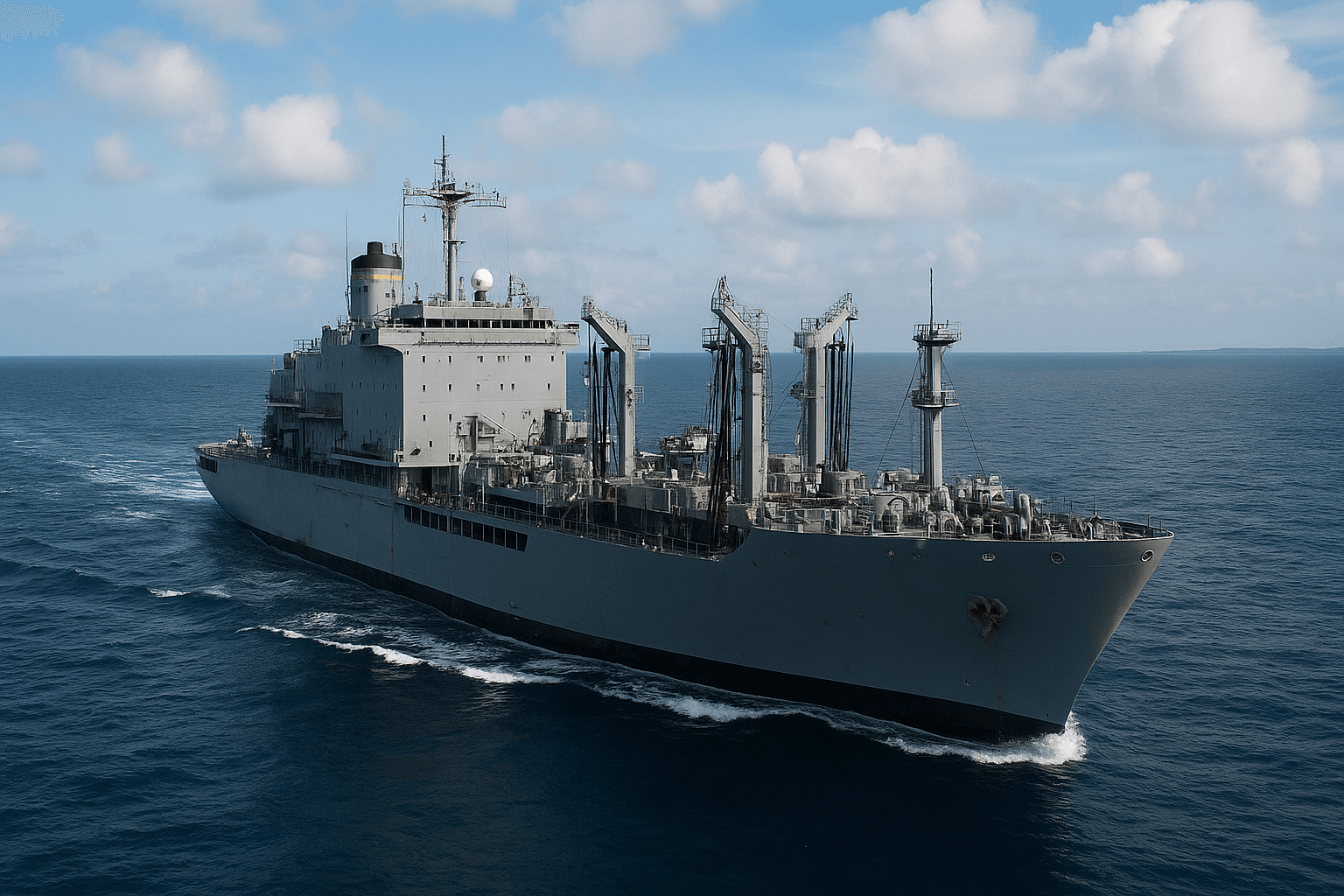
Modern naval operations are not sustained by warships and aircraft carriers alone. Behind every successful deployment is a highly organized support system responsible for delivering fuel, ammunition, food, spare parts, and medical assistance to sailors and marines operating across the globe. This essential supply network is known as Fleet logistics support, and it serves as the foundation of modern naval power and operational readiness.
The Role of Fleet Logistics Support in Naval Operations
Fleet logistics support plays a critical role in maintaining naval operations at sea. Support vessels such as oilers, supply ships, and fast combat support ships allow naval fleets to continue operations without frequently returning to port. This capability enables longer deployments and strengthens a navy’s global presence and deterrence power.
Another important function of Fleet logistics support is expanding the operational reach of naval forces. It provides the endurance and mobility required for ships to operate far from their home bases while remaining combat-ready. During emergencies, logistics units also deliver humanitarian aid, medical supplies, disaster relief materials, and emergency resources in crisis zones. In multinational and coalition missions, logistics operations improve coordination and interoperability among allied naval forces.
Medical and personnel support are also essential aspects of naval logistics. Hospital ships, casualty evacuation systems, and personnel rotation programs help maintain the physical well-being of sailors during extended deployments. These services contribute significantly to morale, readiness, and operational effectiveness.
Key Assets Used in Fleet Logistics Support
Several specialized vessels and systems are used to sustain naval operations worldwide. Fleet oilers provide fuel and lubricants to ships operating at sea, while fast combat support ships combine fuel delivery, ammunition transport, and supply distribution on a single platform. Hospital ships function as floating medical centers that support combat missions and humanitarian operations.
Cargo and ammunition ships transport spare parts, provisions, and military ordnance required for continued fleet operations. In addition, air logistics squadrons provide long-range transportation for personnel, urgent supplies, and time-sensitive cargo to operational areas around the world.
Strategic Importance of Fleet Logistics Support
Fleet logistics support is essential for sustaining carrier strike groups, amphibious ready groups, and independent naval operations. It gives military commanders the flexibility to deploy forces without depending heavily on foreign ports or host nation support. This independence is especially important during high-risk missions and conflict situations.
Logistics systems also strengthen naval resilience by protecting supply chains in contested environments. Reliable supply networks ensure that naval forces can continue operations even during blockades, cyber threats, or disruptions caused by hostile activities.
Challenges and Future Trends
Despite its importance, Fleet logistics support faces several modern challenges. Cybersecurity has become a growing concern as digital supply chains and communication systems are increasingly targeted by cyberattacks. Protecting sensitive logistics data and operational systems is now a major priority for naval forces.
Another challenge involves building more resilient and flexible supply networks capable of operating during disruptions or restricted access situations. Navies are also exploring autonomous resupply technologies, including unmanned ships and drones, to improve logistics operations and reduce risks during dangerous missions.
Environmental sustainability is another emerging focus area. Many naval organizations are investing in green fleet initiatives by transitioning toward alternative fuels and energy-efficient systems to reduce environmental impact while maintaining operational effectiveness.
Conclusion
Although it often receives less attention than aircraft carriers or submarines, Fleet logistics support remains one of the most important components of naval warfare. Without efficient logistics operations, naval missions could quickly come to a halt within days. As global threats continue to evolve and naval operations become more complex, the importance of reliable logistics systems will continue to grow.
By supporting endurance, readiness, mobility, and operational flexibility, Fleet logistics support continues to serve as the backbone of modern naval power. Its ability to sustain forces across the world ensures that navies remain prepared to respond effectively to military conflicts, humanitarian crises, and global security challenges.
About the Author