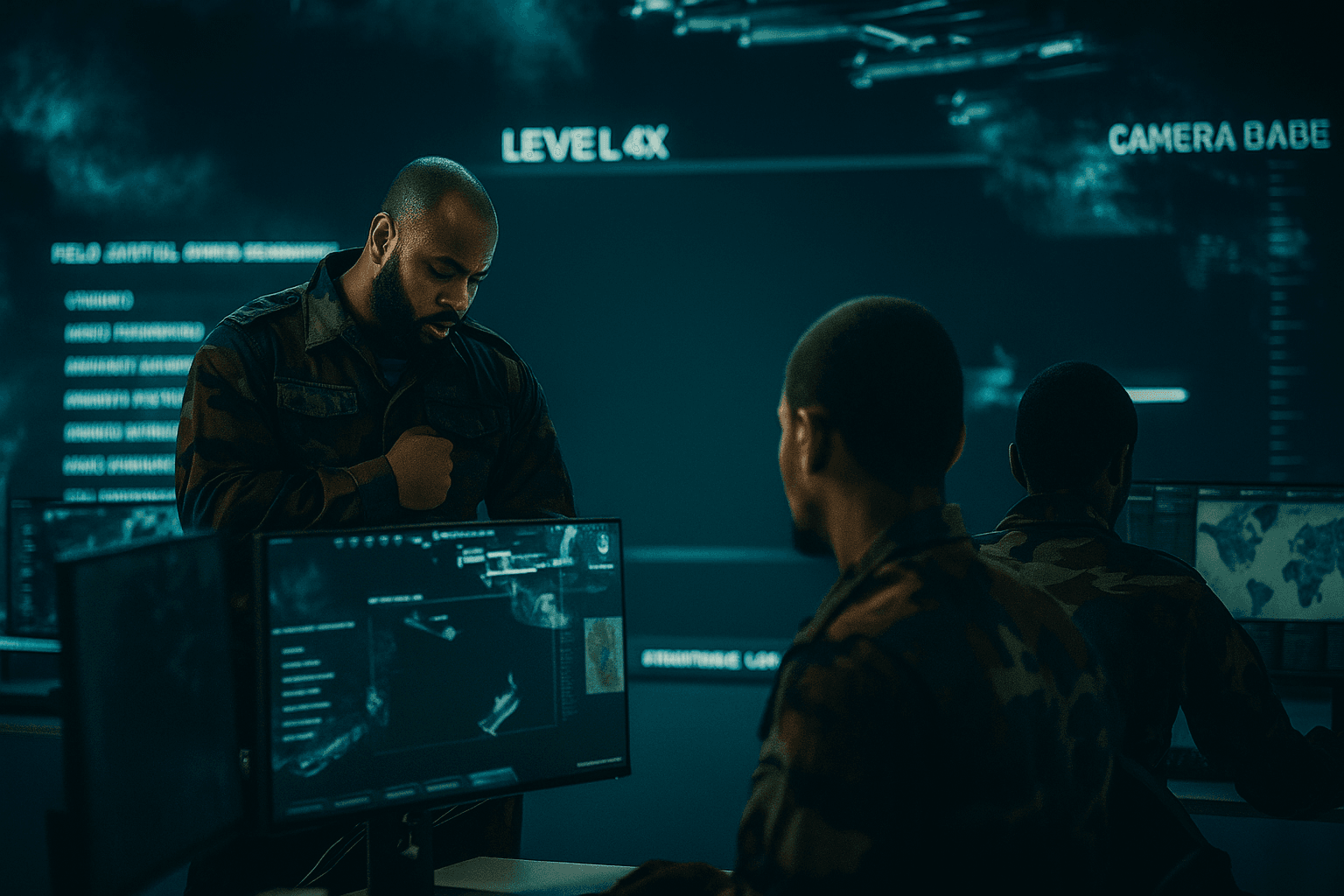
Eric Maddox is a former U.S. Army interrogator whose innovative approach transformed modern military intelligence. During the Iraq War, his interrogation methods challenged conventional practices by relying on communication and psychological understanding rather than force. His techniques played a vital role in one of the most significant intelligence successes in recent military history.
His contribution became widely recognized after helping lead investigators to Saddam Hussein in December 2003. By introducing a new way of gathering intelligence, he influenced how counterterrorism operations and military interrogations are conducted today. His work continues to shape intelligence training and operational strategies across defense organizations.
Early Military Career
He began his military journey as an infantry paratrooper in the U.S. Army before transitioning into military intelligence. Later, he completed training as a Mandarin Chinese linguist and became a certified military interrogator. His skills eventually earned him an assignment with a Joint Special Operations Command (JSOC) task force deployed to Iraq.
This combination of language expertise, intelligence training, and operational experience prepared him for one of the most challenging missions of the Iraq War.
The Iraq Mission and the Capture of Saddam Hussein
Assigned to a Delta Force team operating in Tikrit, Maddox was tasked with identifying and dismantling Saddam Hussein’s inner circle. Instead of relying on intimidation or coercive tactics, he focused on building trust, listening carefully, and understanding the motivations of those being questioned.
This rapport-based approach proved highly effective. Through a series of carefully conducted interrogations, investigators identified key connections within Saddam’s loyalist network. The intelligence gathered ultimately led U.S. forces to the dictator’s hiding place in ad-Dawr.
On December 13, 2003, Saddam Hussein was captured in an operation that is widely regarded as one of the most successful intelligence achievements of the Iraq War. The interrogation methods used during the investigation played a crucial role in that outcome.
His Interrogation Philosophy
A defining feature of his work was the belief that empathy often produces better intelligence than fear. Rather than using harsh interrogation techniques, he emphasized building trust and establishing meaningful human connections.
He also considered active listening to be one of the most valuable skills an interrogator could possess. By paying close attention to behavior, emotions, and responses, he was able to gather reliable information while maintaining respect for those being questioned.
This philosophy demonstrated that patience, professionalism, and rapport could often achieve results that coercive methods could not.
Legacy and Lasting Influence
The impact of his work extended far beyond the Iraq War. He received the Defense Intelligence Agency’s Defense Intelligence Medal in recognition of his contributions to military intelligence.
In addition to his military service, he became an author and public speaker. His book Mission: Black List #1 provides firsthand insights into the investigation that led to Saddam Hussein’s capture. He also serves as a consultant and trainer, sharing interrogation, negotiation, and leadership strategies with military personnel, intelligence agencies, law enforcement organizations, and private-sector professionals.
His techniques have influenced U.S. and allied interrogation training by encouraging intelligence professionals to adopt rapport-based methods rather than relying on force.
Key Lessons from His Career
One of the most valuable lessons from his experience is that trust often produces more reliable intelligence than intimidation. His career demonstrates that successful intelligence gathering depends on patience, empathy, critical thinking, and effective communication.
His story also highlights how a single individual’s innovative thinking can reshape military doctrine and improve the effectiveness of intelligence operations around the world.
Conclusion
The contributions of Eric Maddox represent a major turning point in modern military intelligence. From serving as an infantry paratrooper to becoming a respected interrogator within JSOC, his career reflects the value of skill, discipline, and innovation.
His rapport-based interrogation methods helped uncover the intelligence that led to Saddam Hussein’s capture while influencing future military and counterterrorism operations. Through his writing, consulting, and continued leadership training, his ideas remain relevant to intelligence professionals today.
His legacy proves that successful intelligence is built not only on advanced technology but also on understanding human behavior, earning trust, and making informed decisions. Those principles continue to shape military intelligence and interrogation practices across the world.
About the Author